
10 Common Myths About American Government
When I talk to people about government, I find that most Americans love their country deeply but don’t really know how it works. And that’s not their fault. Civic education in this country has been pushed to the sidelines for decades. What we’re left with are sound bites, conspiracy theories, and half-truths that confuse people about what government actually does.
Part of what we’re trying to do at Civic Revival USA is fix that. We want to help ordinary citizens understand their own power, their rights, and their responsibilities. Because if we don’t understand the system, we can’t hold it accountable. So, here are ten of the biggest myths about American government that too many people believe and what’s really true behind them.

1. The United States Is a Democracy
This one surprises people. Technically, America is a constitutional republic, not a direct democracy. That means we elect representatives who make decisions within the limits of the Constitution. Our system was designed this way to prevent what the founders called “the tyranny of the majority.” In other words, just because 51 percent of people want something doesn’t mean it can override the basic rights of everyone else. Democracy gives us participation, but the Constitution gives us protection. It’s that balance that keeps our freedoms safe.
2. The President Makes the Laws
Many people think the President can just sign an executive order and instantly create or end laws, but that’s not how our system works. Congress writes and passes laws, while the President either approves them by signing or rejects them through a veto. The President’s job is to enforce the law, not invent it. This separation of powers keeps any one branch of government from becoming too powerful. It may seem slow, but that’s intentional. It’s a safeguard against dictatorship, not a flaw.

3. The Federal Government Runs Everything
A lot of people imagine Washington, D.C. as the center of every decision, but that’s far from the truth. The Constitution gives many powers directly to the states and the people. Things like schools, local policing, and most road systems are handled at the state and local level. Federalism means shared power, not centralized power. The government closest to you often has the biggest impact on your daily life, which is why voting locally matters so much.
4. The Bill of Rights Gives Us Our Freedoms
Here’s one that really deserves more attention. The Bill of Rights doesn’t give us freedom, it protects it. Our rights don’t come from government or politicians; they come from being human. The Bill of Rights simply ensures that government cannot take those rights away. It’s a shield, not a gift. That’s a powerful distinction, because it reminds us that freedom is something we’re born with, not something we have to beg for.
5. Majority Vote Decides Everything
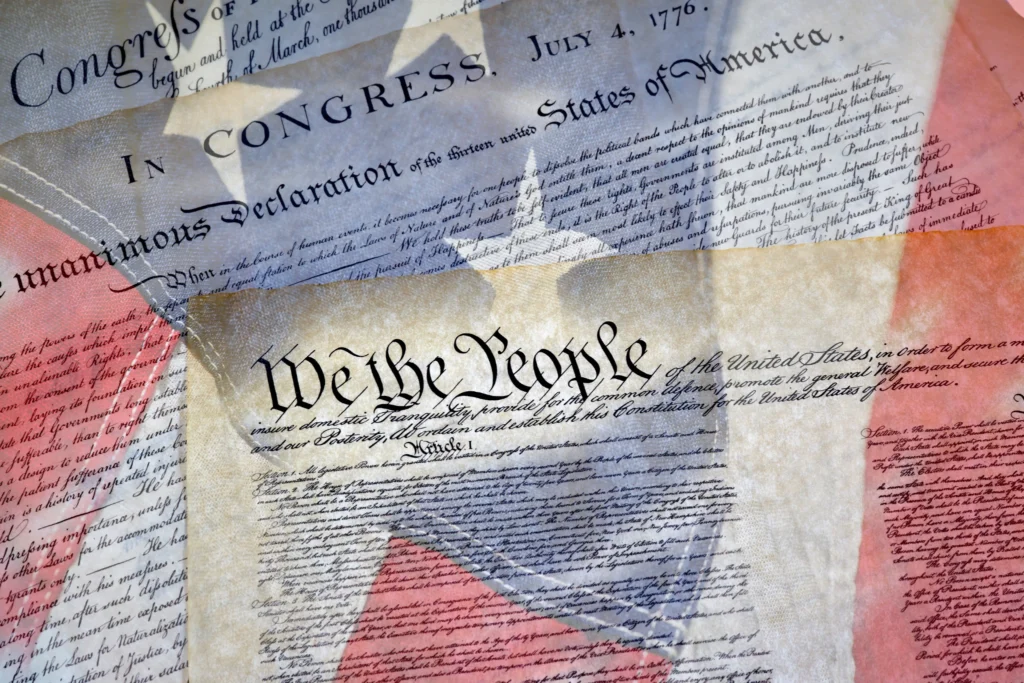
America isn’t built on majority rule alone. The Constitution was written to make sure that the majority can’t trample the rights of the minority. That’s why we have the Bill of Rights, the courts, and a system of checks and balances. Even when most people agree on something, it still has to pass constitutional muster. This structure protects unpopular opinions and ensures that justice isn’t based solely on popularity. It’s the difference between mob rule and a republic that values fairness and equality.

6. Supreme Court Decisions Are the Final Word Forever
A lot of people think once the Supreme Court rules on something, that’s it forever. But that’s not true. The Court can reverse its own decisions, Congress can pass new laws that change how old rulings apply, and the Constitution itself can be amended. The Court’s power is enormous, but it’s not absolute. The people, through their representatives, still hold ultimate authority, which is what keeps the balance. Even the highest court in the land must answer to the framework of democracy itself.

7. Separation of Church and State Is Anti-Religion
This is one of the most misunderstood ideas in America. Separation of church and state isn’t about pushing religion out of public life; it’s about keeping government from controlling or favoring one faith over another. In fact, it’s the very reason people of all religions or none at all can live freely here in the United States. Our Constitution protects the church by keeping it independent from politics and protects government by keeping it free from religious domination. It’s not anti-faith; it’s pro-freedom.
8. The Electoral College Is Undemocratic
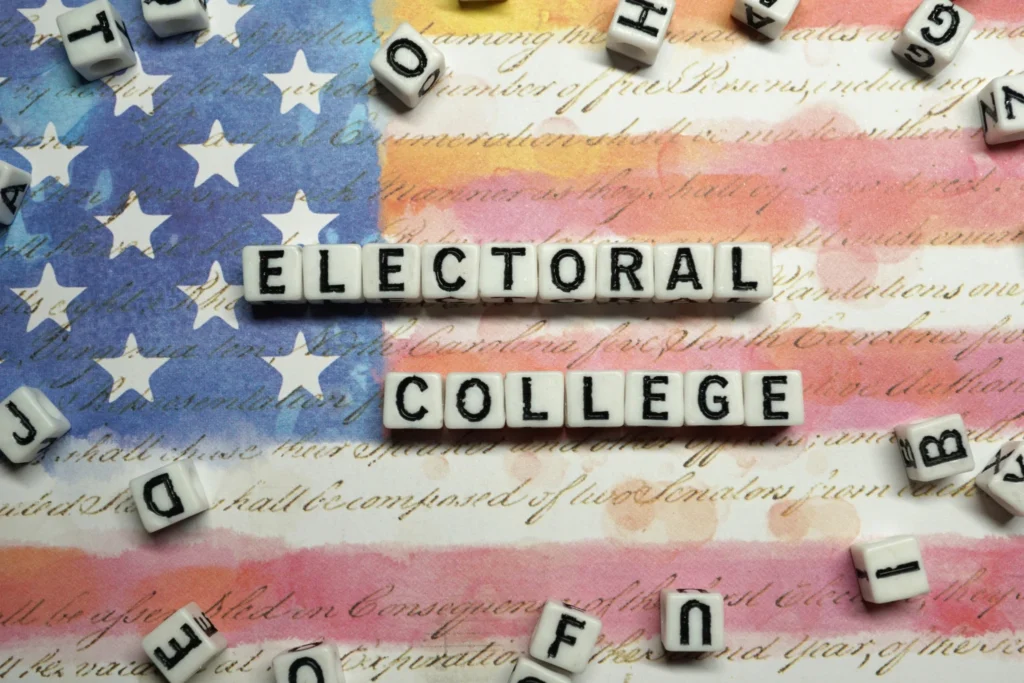
The Electoral College often frustrates people, especially when the popular vote and the electoral vote don’t match. But it exists for a reason. The founders created it to balance the influence of large and small states, ensuring that less populated areas still have a voice in presidential elections. Without it, a handful of big cities could dominate the outcome every time. Is it perfect? No. But it’s one of the ways America tries to blend equality of people with equality of states.
9. The Media Is the Fourth Branch of Government
The media isn’t an official branch of government, but it plays an essential role in our democracy. The First Amendment protects a free press because it serves as a watchdog for the people. When journalists do their jobs right, they keep the public informed and those in power honest. That doesn’t mean all media is perfect, but the principle behind it is vital. A nation without a free press becomes a nation without accountability, and that’s when democracy starts to fade.

10. One Vote Doesn’t Matter
If you ever think your vote doesn’t count, think again. History is full of elections decided by razor-thin margins, sometimes just a few hundred votes. Local elections can be determined by a single vote or two. Your one ballot might not swing the entire nation, but it shapes your city, your schools, and your community. Voting isn’t about being one in a crowd; it’s about showing up to be counted as part of the nation’s conscience. Every democracy is only as strong as the people who participate in it.
The Revival of Civic Understanding
When I founded Civic Revival USA, I did it because I believe we can’t protect what we don’t understand. Knowledge is power, and civic knowledge is patriotic power. The more we know, the more confident and united we become. These aren’t just “facts about government.” They’re the building blocks of freedom.
America works when Americans know how it works. So, take the time to learn, to teach, and to share this information with your kids, your friends, and your neighbors. Because the moment we remember how this Republic is supposed to function, we take one step closer to restoring it.
Civic Revival USA
Restoring the Flame of Democracy
www.CivicRevivalUSA.org